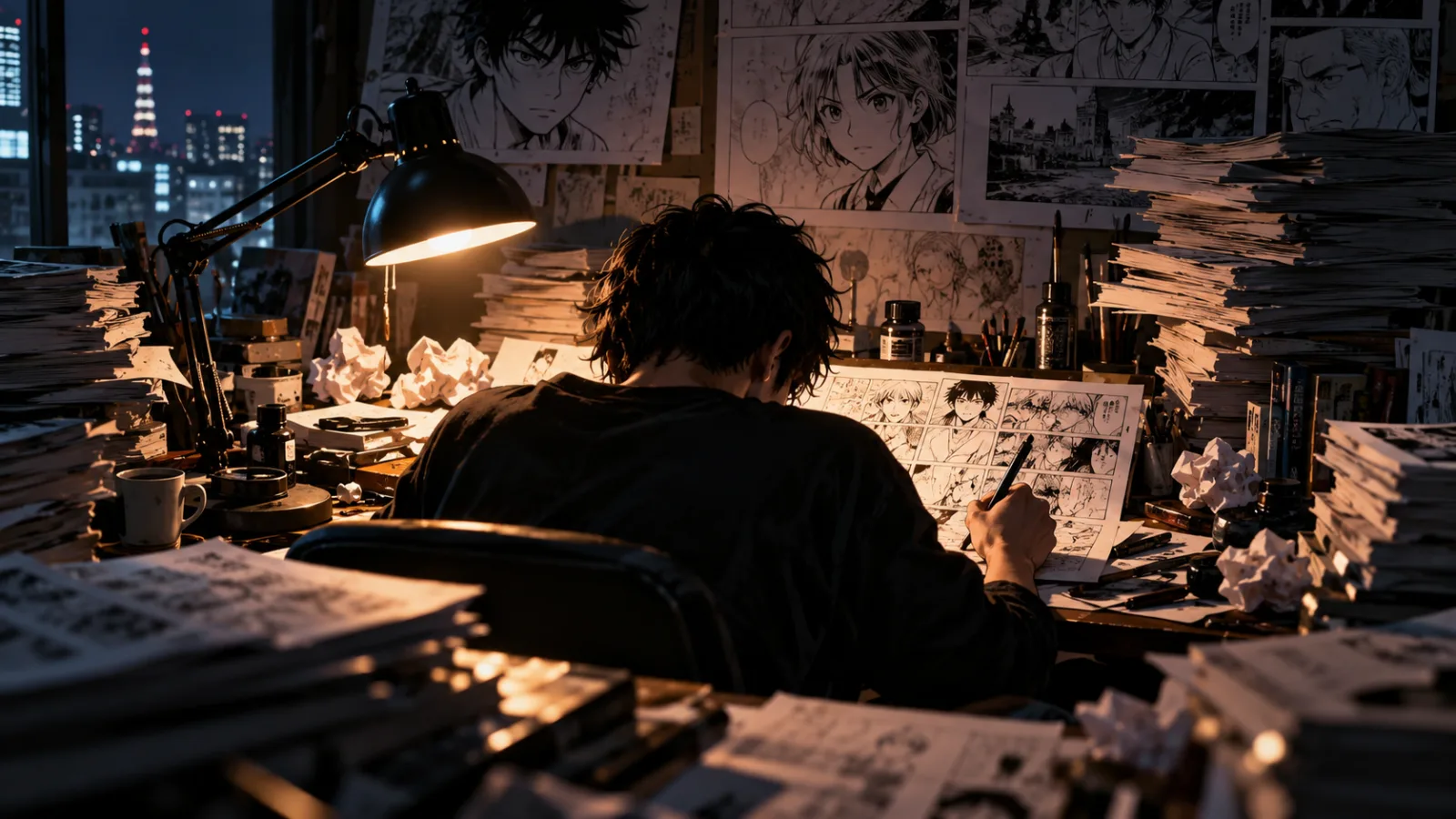
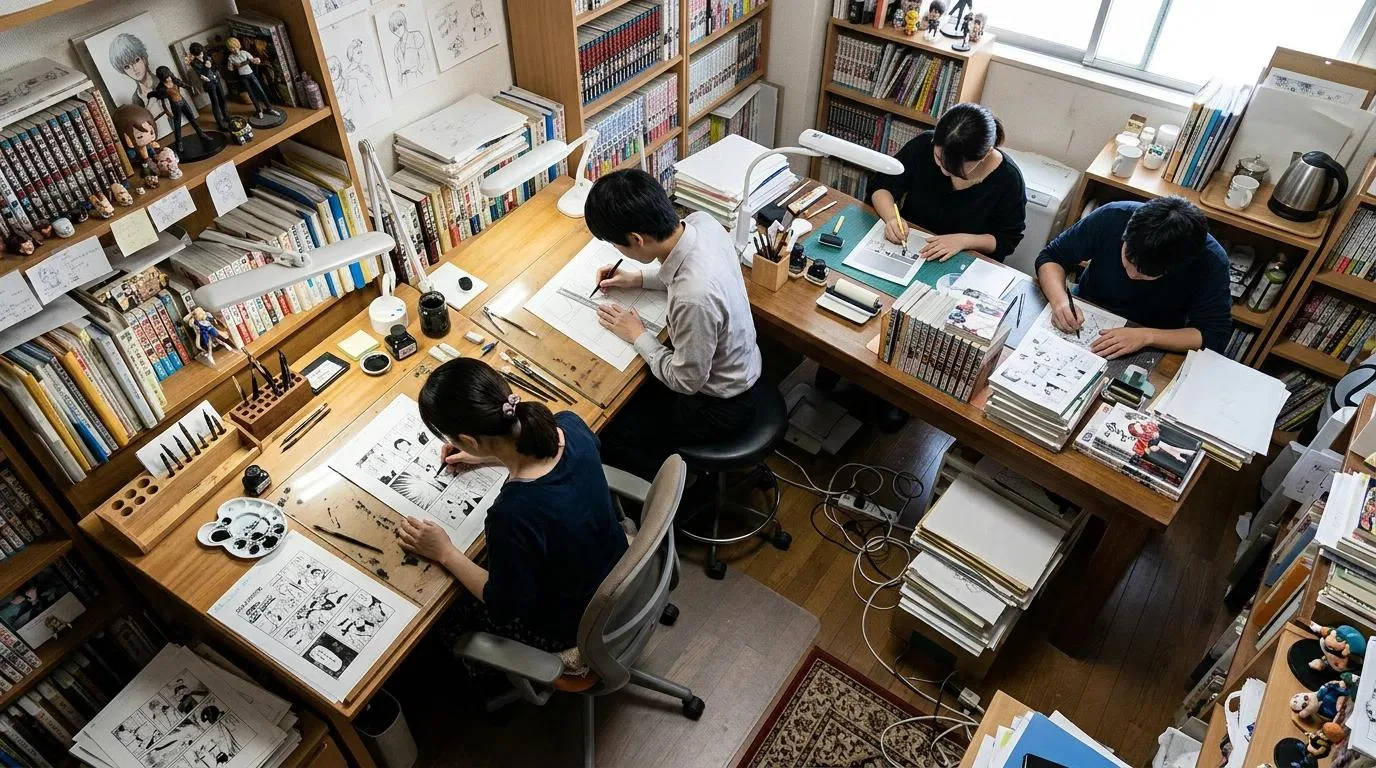
Manga has become one of Japan’s most influential cultural exports producing stories that reach millions of readers worldwide and yet those finished pages rarely reveal the reality behind their creation. A Mangaka must balance demanding schedules with intricate artwork and storytelling while navigating an industry where financial security remains difficult to achieve. The problem is not simply that drawing manga takes time, it is that the systems supporting its production can make it difficult for creators to balance their artistic ambitions with their well being.
The Pressure Behind the Pages
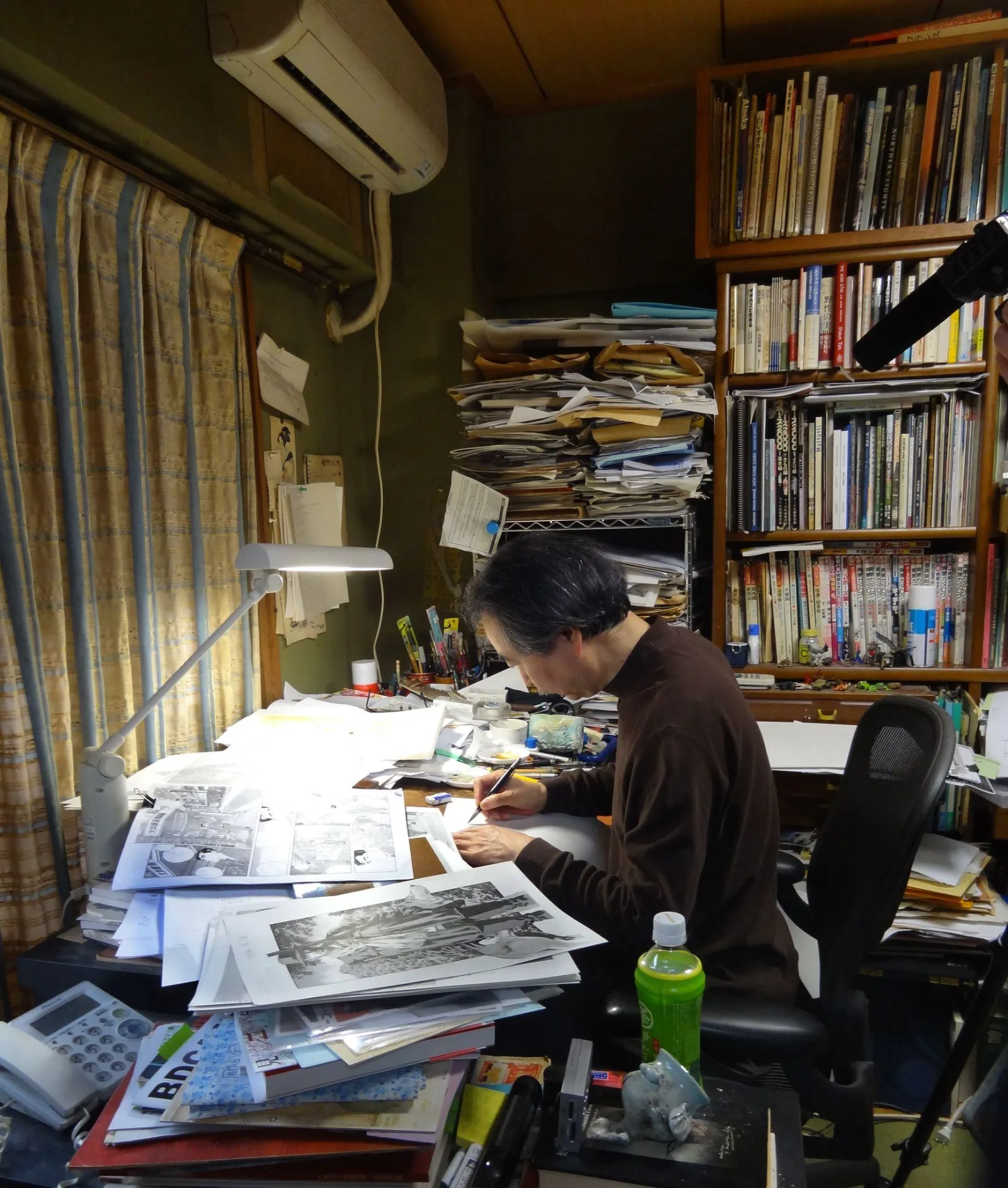
In 2025 an academic study examining the career experiences of 27 Japanese manga artists highlighted the uncertainty that comes with pursuing the profession where the researchers identified intense competition, unstable earnings and demanding working hours as recurring challenges, particularly for artists trying to establish themselves in the industry. These pressures can become especially difficult when creators must deliver chapters regularly while maintaining the quality readers expect. Although established artists may have the resources to employ assistants, those starting out often have fewer options and less financial security. Passion can sustain a creator’s ambition, but it cannot eliminate the practical demands of producing work on a deadline.
When Success Does Not Guarantee Support
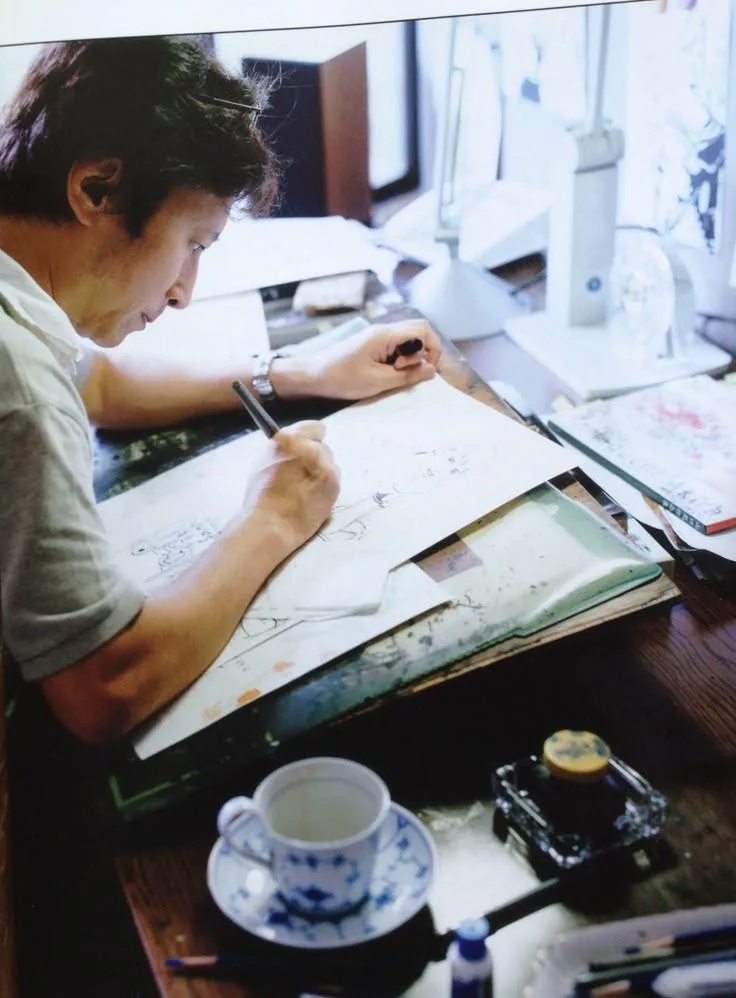
The difficulties are not ony limited to newcomers. In July 2026 Kodansha publicly apologised to Cells at Work! creator Akane Shimizu after she raised concerns about her working environment during serialization. The publisher acknowledged that it had failed to establish an adequate medical supervision system and appropriate production support, including arranging assistants. They also admitted that some credits for related publications had not been properly confirmed with her beforehand. This case highlights an important distinction between commercial success and working conditions because a popular series may generate opportunities for adaptations and merchandise, but that does not automatically guarantee that its creator receives adequate editorial support or control over related projects.
Building a More Sustainable Industry
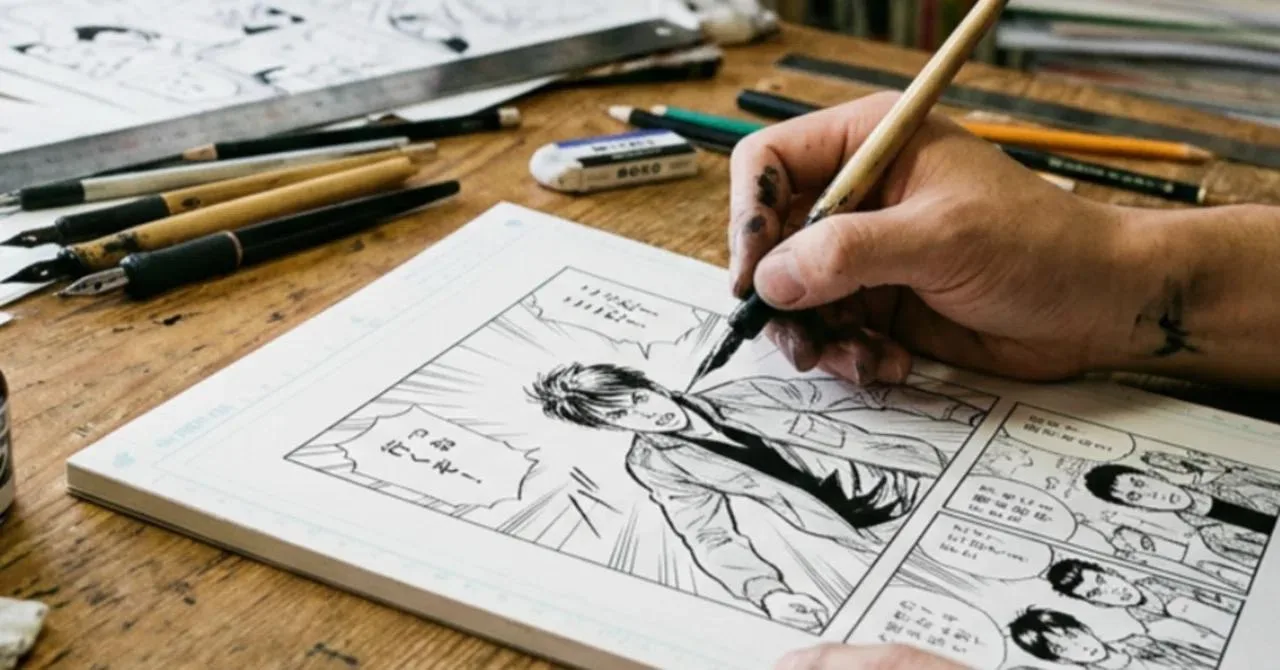
Improving conditions requires more than encouraging artists to take breaks. Publishers need reliable ways to address workload concerns, provide appropriate assistance and ensure that creators can raise problems without being left to manage them alone. Japan’s Fair Trade Commission and Cabinet Office introduced guidelines in June 2026 aimed at improving business transactions for creators in film and anime production. Although these guidelines do not directly resolve every problem facing manga artists, they reflect wider recognition of the need for fairer arrangements across the creative industries.
This industries future doesn't only depend discovering the next bestselling series alone, it also depends on whether the people creating these stories can build sustainable careers without compromising their well being. Readers may finish a chapter in minutes, but the work behind it can take days of concentrated effort. Recognising that cost is essential to building an industry where creators can continue telling the stories audiences love.